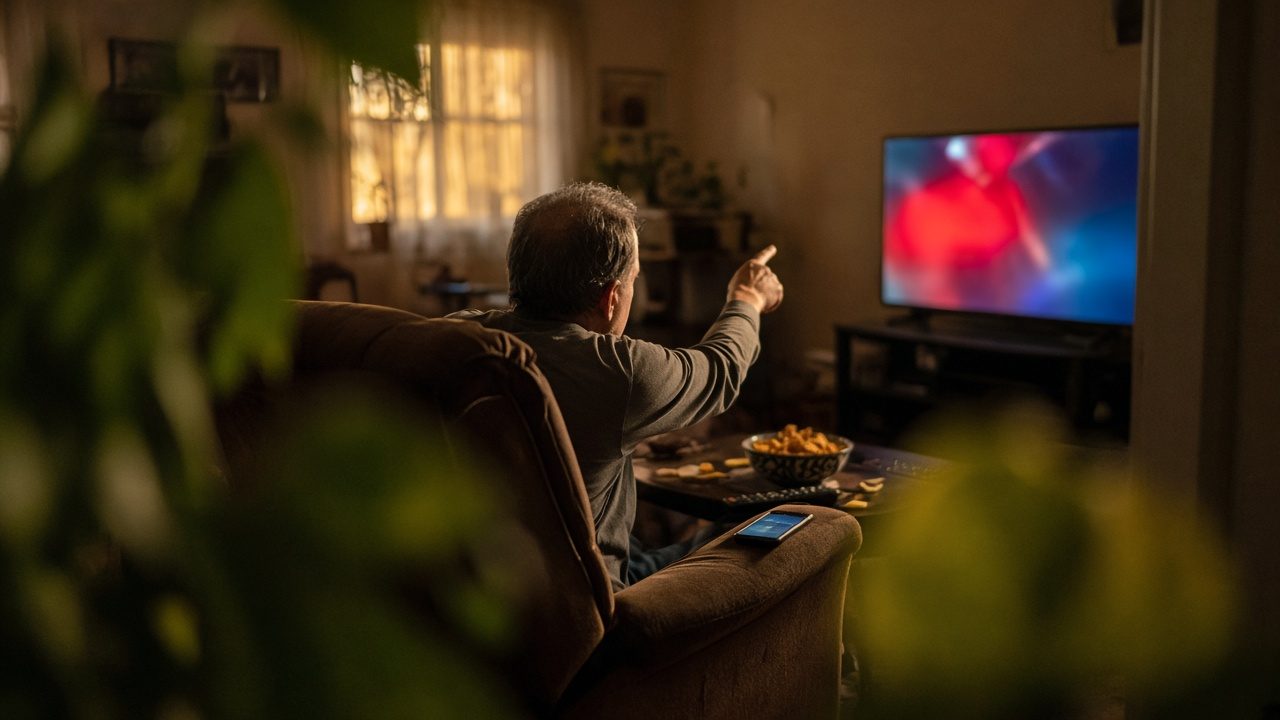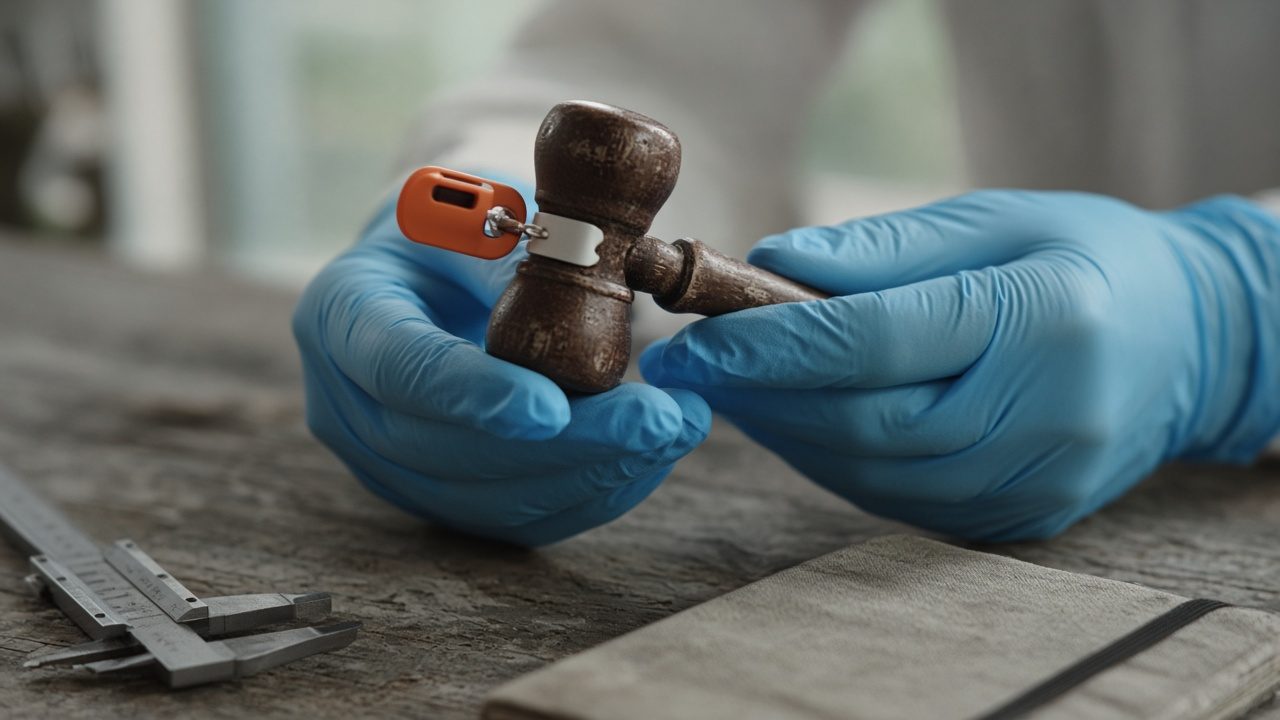
The last confirmed sighting came on a Tuesday, in a dentist’s waiting room somewhere in the Midwest. A retired bookkeeper named Dolores, 71, told a passing pollster that she “approved of Congress, generally.” She later clarified that she thought the question was about the general idea of having meetings. The sighting was logged anyway. In this field, you take what you can get.
According to the Bureau of Civic Wildlife, an agency we invented for this article, fewer than 20 Americans who approve of Congress are now believed to survive in the wild. Most are elderly. Several are unaware of what Congress is. One is a golden retriever in Tucson who was counted after wagging during a budget segment.
“We are past the point of gradual decline,” said Dr. Priya Hollowell, a conservation biologist who has studied civic approval for two decades and who is also, regrettably, fictional. “Approval needs two things to survive: something getting done, and someone noticing. Right now we have neither, and the second one is on vacation.”
How the habitat disappeared
Scientists agree the primary cause is habitat loss. Approval once fed on a rich ecosystem of ribbon cuttings, new bridges, and the occasional bill that a person could explain to their brother-in-law in under a minute. Over the decades that habitat has been paved over and replaced by the press conference about the other side’s press conference, a structure that produces no nutrients but can be seen from space.
Invasive species have made things worse. Chief among them is the fundraising email, which arrived quietly and now outnumbers every native species of civic communication by a ratio Dr. Hollowell describes as “honestly upsetting.” A single specimen of approval was recently found buried beneath 412 unread messages with subject lines such as “FINAL NOTICE” and “we’re begging you (3rd attempt).” It was alive, but would not make eye contact.
Both parties, researchers stress, contributed equally. The two sides disagree about almost everything, but on the matter of approval they have achieved a rare and beautiful consensus: it is always the other side’s fault, and the solution is a donation of $25 or more.
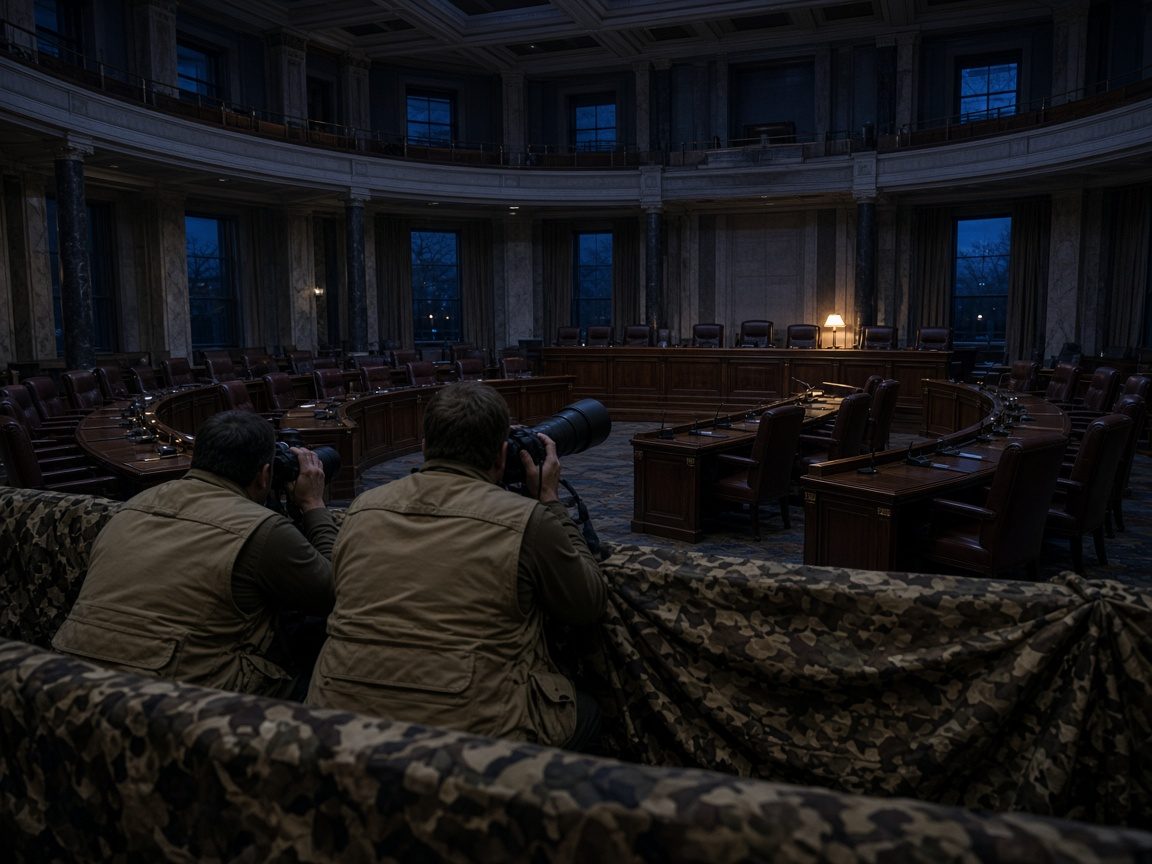
Inside the captive-breeding program
The recovery effort is centered in a converted strip mall outside an unnamed state capital, where a dozen rescued approvers live in a soundproof enclosure with no internet, no cable, and no relatives. Each morning keepers feed them a carefully balanced diet: footage of a bridge being finished, a clip of a committee hearing with the sound off, and a laminated photo of a pothole that was filled on schedule.
“You can’t rush it,” said head keeper Marnie Bluth, adjusting a thermostat labeled MODERATE. “If they see even one cable news panel, the whole group regresses. Last spring someone left a tablet in the break room. We lost three of them to a chyron.”
“If they see even one cable news panel, the whole group regresses.”
The program has had small victories. In August, two residents of the enclosure were observed agreeing that a highway funding bill “seemed fine,” the first recorded instance of approval breeding in captivity. Keepers celebrated quietly, so as not to startle anyone. The moment was later described in a fundraising email as “a WAR on common sense,” and both residents had to be sedated.
Funding runs out
The program’s budget, like much of the federal government’s, ran on a temporary spending measure. When that measure lapsed, the keepers were furloughed, the lights were dimmed to “essential,” and the enclosure door was, in the words of one staffer, “technically open, but nobody has the authority to say so.” A hearing to investigate the open door has been scheduled. It has not been scheduled to begin.
A reason for hope, sort of
Which brings us back to Dolores. She is now, by most estimates, the most important civic organism in North America, and she is under round-the-clock protection by a rotating team of volunteers who screen her mail. In a single week she received fundraising texts from both parties, a survey asking how disappointed she was on a scale of “very” to “extremely,” and a commemorative coin.
When I visited, she was doing a crossword. I asked whether she still approved. She thought about it for a long time, longer than any member of any committee has thought about anything this year, and said, “Well, they seem busy.”
Researchers say they remain cautiously optimistic. In Washington, that is the stage that comes just before a hearing about why they were optimistic.
Satire This article is a work of comedy. Theodore Quagmire, Inés Telefoto, Dolores, Dr. Hollowell, Marnie Bluth, and the Bureau of Civic Wildlife are fictional, and its numbers are made up. Photos are AI-generated illustrations of no real person or place. National Sarcastic is not affiliated with National Geographic.